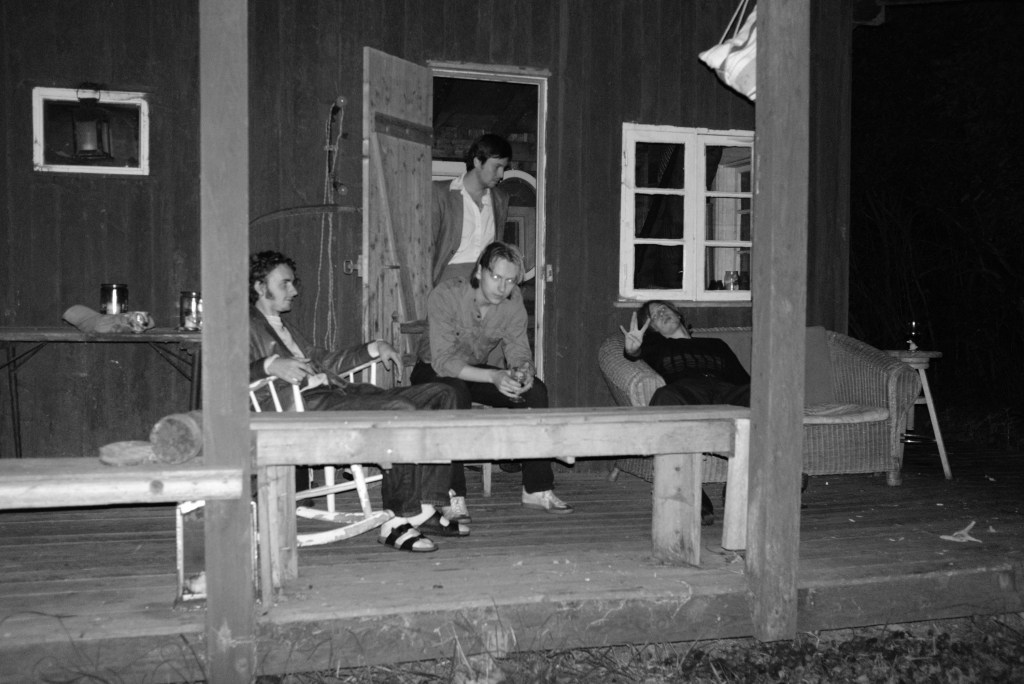
Anamnesis is the second album by Copenhagen-based experimental chamber-folk group Homesickness. Anamnesis was recorded during the Harvest Moon in late 2023 on the estate of the late spirit-binding artist Annette Holdensen, surrounded by “blood beeches, bogs, and tawny owls.” And indeed, that very atmosphere radiates from the album.
The opening track, Urdr, begins with a long, droning sound that reminded me of a harmonium a bit. Strange sounds, ambient noise, and breathy wind instruments soon enter the picture, evoking a rich atmosphere that instantly reminded me of Shovel Dance Collective, Timber Rattle, Lankum, and even Robert Wyatt. It’s the kind of track that immediately draws you in – if your ears are tuned to this kind of music.
The next track, Do You See How the Smoke Billows, shifts toward avant-folk territory with a cleaner production. Lately, I’ve been reading a lot of medieval texts, and this dark piece somehow echoes their atmosphere. Midway through, the track breaks open into unsettling instrumental passages that slowly build in intensity.
Verdandi, under a minute long, acts as a bridge to the next folk-leaning track Asunder. Like the opener, Verdandi is more of an experimental soundscape – and this is a side of Homesickness I could happily listen to for another 30 minutes.
That’s not to say the more folk-oriented tracks are any weaker. They’re more traditional, yes, but far from predictable or dated. The instrumentation remains richly varied, and the whispery vocals function more like another instrument. Everything fits together to create a dark, yet strangely vibrant and clear atmosphere.
Roses by the Creek is one of the most energetic tracks on the record, showcasing the full band and occasionally flirting with americana. Then comes Skuld, another experimental instrumental bridge – this time nearly five minutes long. It reminded me of the incredible French group Begayer, whose sound resonates closely with Skuld’s eerie textures.
From the second half of the album, the penultimate title track Anamnesis stood out the most. Built around a tambourine and a beautifully intricate instrumental section, it brims with strings, ambient noise, and unexpected sounds – all perfectly interwoven with a hypnotic vocal delivery.
Finally, the closing track I Thank Thee Whom I Found in the Hills is a stunning ending and, for me, the highlight of the album. Its dreamy opening brought to mind some of my favorite Tim Buckley songs. As it unfolds, a surprisingly pop-like and euphoric melody emerges – memorable and uplifting – followed by a moment of hush before it builds up again and gracefully comes to a close.
It’s a richly textured record, featuring not only acoustic guitar but also flute, clarinet, cello and many more… These instruments aren’t there to show off – they actively shape a world that’s a pleasure to sink into for the album’s half-hour runtime.
This review was made possible by SubmitHub
 motel void
Leave a comment