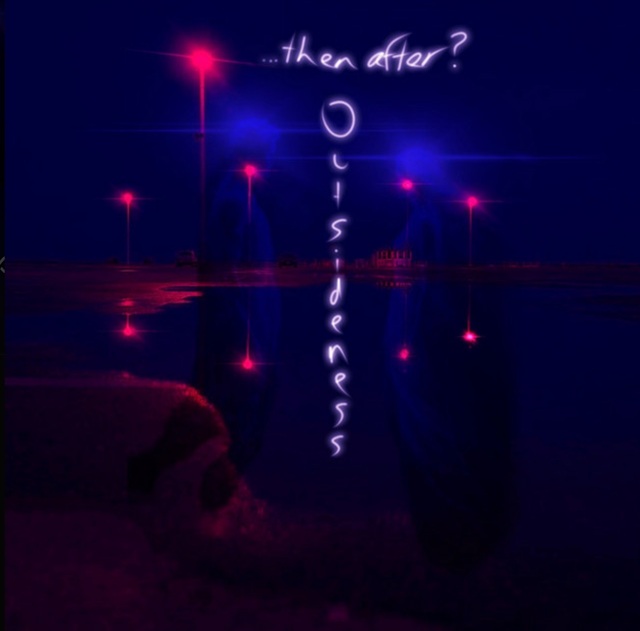
…Then After? is the second album from Outsideness, the collaboration between Freidrich$ and Azalias. We already covered their debut, …From What?, and I was very curious to see where the duo would take their sound on its follow-up.
From the opening notes of Alright, the album initially appears to sit somewhere within R&B, although it is almost impossible to pin down to a single genre. The track is highly melodic, at times drifting into pleasantly electronic indie territory, elsewhere becoming rougher and more experimental, somewhere around the edges of alternative pop. But the most important thing is that it is simply fun to listen to.
Freedom follows with an acoustic guitar that initially makes the album feel more like an acoustic singer-songwriter record. And this is where Outsideness reveal another real strength: they can write genuinely beautiful, stripped-back songs. Still, I kept wondering where the track would go over its nearly four minutes. Would it suddenly break into IDM? UK garage? For a while, it seems Outsideness are going to stay in this objectively beautiful acoustic territory. But shortly after the two-minute mark, more experimental elements begin to creep in, followed by a beat, and the song suddenly shifts into a completely different mood. It is hard to believe where we were just a minute earlier. They never stop being entertaining – or surprising.
According to the duo themselves, instability is central to the record, and it is fascinating to hear how deliberately they work with that idea. Even to Me has a more trap-influenced feel, but the vocals are much rawer. I particularly enjoy the interplay between the male and female voices, which gives the track a certain roughness that occasionally reminds me of Lil Peep. By the end, the song explodes into an almost hyperpop-like burst of energy.
Container is more experimental during its opening third before making a full transition into a straight-up R&B track around the halfway point. It has serious hit potential, and it is sometimes almost unbelievable what Outsideness are capable of creating: they can suddenly land on a section with an incredibly strong pop instinct, only to abandon it moments later and disappear into completely different and much stranger territory. It is extremely entertaining.
Haunt initially reminds me of Fleetwood Mac’s Landslide. I really enjoy this acoustic side of the duo, although the vocals do not have quite the same delicate acoustic character. Instead, they play with elements of other genres, placing a fairly traditional folk framework into a very different context.
The second half of the album opens with the wonderfully lo-fi indie beginning of La Jetee. It actually made me want to watch Chris Marker’s 1962 French film of the same name. I enjoy these kinds of pop-cultural references, as well as the indie-rock section in the second half of the track. Perhaps I am biased because this is the genre closest to my own heart, but I genuinely think Outsideness could make an excellent entire album in this style. Then again, that would probably be far too predictable for them.
They also turn to acoustic instrumentation on Dance, and the acoustic guitar deserves a mention in itself — it sounds beautifully recorded. As the title suggests, however, the track eventually develops into a wonderfully danceable groove around the halfway point before moving into strange, experimental pop with hints of R&B toward the end. For some listeners, the constant shifts might feel like too much, but for me, that instability is precisely what makes the record so enjoyable. As the artists themselves put it, the question is less “what kind of song is this?” than “what else can this song become?”
The final two tracks take us to Water, the longest song on the album. Its beautiful lo-fi opening and wonderfully Bon Iver-esque vocals immediately suggest another musical territory in which Outsideness could easily excel. But by now we know that their path is deliberately more winding and experimental, with a kind of outsider-art sensibility running through the whole record. Still, I have to admit that the vocal melody here is genuinely beautiful. Even though we suspect it will eventually transform into something much less conventional, the unusual drums accompanying the indie-folk framework already hint that something is coming. And sure enough, by the halfway point, we have gone from what feels like being high up in the mountains to suddenly finding ourselves on a busy city street at night. It is genuinely fascinating. The closing Hold makes something of a turn back toward the territory of Alright, ending the album with a highly melodic R&B track.
The arrangements are larger than on the previous record, but the music remains intimate. The production is more elaborate, yet its rough edges remain visible – and that tension between polish and imperfection feels central to what makes …Then After? so compelling.
This review was made possible by SubmitHub



Leave a Reply